As we approach the winter season and our favourite trails turn white, it’s a great time to brush up on the fascinating world of snow. Not all flakes are created equal. Some drift down like delicate lace, while others arrive as bouncy little pellets or settle into crunchy layers under our boots. Understanding the different types of snow can deepen your appreciation for winter outings and even help you read trail conditions a little better.
When snow first forms, it begins as a tiny ice crystal high in the clouds. Under just the right conditions (think cold temperatures and the right amount of humidity) these crystals grow into stellar dendrites, the classic six-armed snowflakes. These are the flakes that land lightly on your jacket sleeve and make you pause to admire their intricate, branching symmetry. Dendrites create that fluffy, airy snow we love on quiet forest walks or fresh ski tracks. However, winter storms can mix things up. Sometimes snowflakes get coated in supercooled water droplets that freeze onto them, transforming them into graupel. Graupel looks like tiny, soft, white pellets, almost like mini Styrofoam balls. If you’ve ever heard the sharp little taps on your jacket during a storm, there’s a good chance graupel was involved. It’s common in fast-moving mountain weather systems and can add a unique texture to the trail.
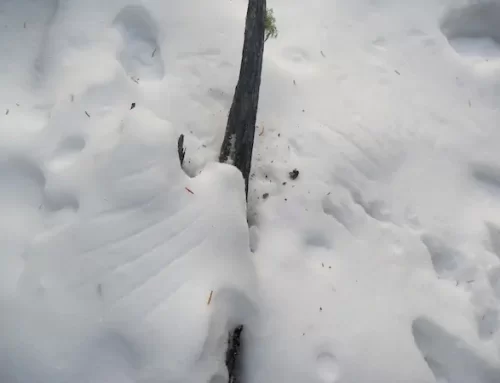
Once snow reaches the ground, it begins a whole new life. Temperature swings, wind, sunshine, and even foot traffic quickly transform the surface. On calm, cold days after a fresh snowfall, you’ll find powder, the stuff downhill skiers and snowboarders live for! Powder is light, soft snow that muffles footsteps and makes the forest feel extra magical. As wind or repeated use compacts it, that powder becomes packed snow, a firmer surface that’s easier to travel on. Add warm sunshine, and the snow may melt a little during the day, then refreeze overnight, creating a crust that is sometimes thick enough to walk on. In the deeper layers, snow can also undergo slow, subtle changes. When a long, cold period draws heat upward from the ground, the snow crystals can grow into angular, sugary grains known as facets or even depth hoar. This type of snow is crucial for avalanche professionals, but even hikers may notice it as loose, sugar-like snow beneath the surface.
Knowing the basics of snow types can help you anticipate trail conditions, choose better footwear, or simply appreciate the seasonal magic around you. Whether you’re admiring perfect dendrites on your mitten, crunching across a morning crust, or watching graupel bounce across the trail, each type of snow offers its own little winter lesson. So next time you’re out exploring, take a moment to look closer as winter’s story is written crystal by crystal.