If you’ve spent any time on the West Bragg Creek trails in winter, you’ve likely had this conversation: “This is the best riding/skiing ever!” or “Is winter officially ruined?”
Welcome to Chinook season.
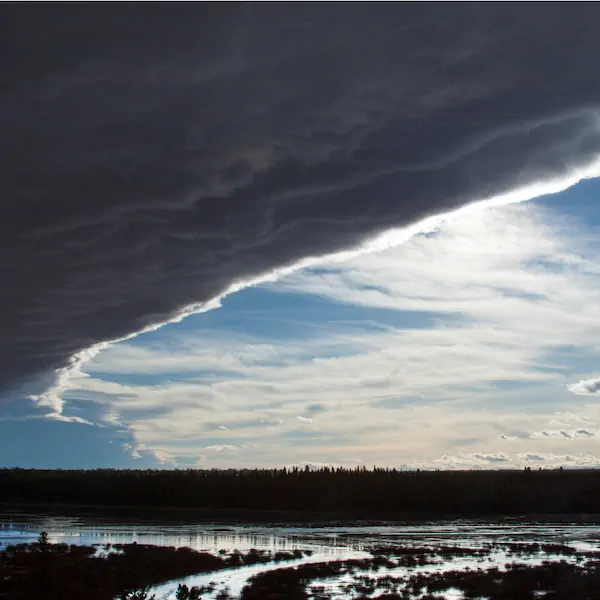
Chinooks are warm, dry winds that spill eastward over the Rockies, sometimes raising temperatures by double digits in a matter of hours. In Bragg Creek, they can feel almost magical with snow dripping from trees, jackets unzipped in January, and the unmistakable scent of thawing forest floor sneaking back into the air. But like most things in the foothills, Chinooks come with both gifts and consequences.
What Exactly Is a Chinook?
On a basic level, Chinooks form when moist Pacific air rises over the mountains, drops its moisture as snow, then descends on the eastern slopes as warm, dry air. As the air sinks, it compresses and heats up, which is why we can go from deep freeze to spring-like conditions seemingly overnight. Locally, this means that winter doesn’t always follow a straight line. Instead, it arrives in waves: cold, snowy stretches interrupted by sudden thaws that reshape the landscape again and again.
What Chinooks Do to Trails
For trail users and maintenance crews alike, Chinooks are complicated. On the plus side, they can create short-lived windows of glorious conditions with firm morning snow, tacky dirt in shoulder seasons, and the chance to enjoy sunshine without frost-nipped fingers. On the flip side, Chinooks are responsible for some of the most challenging trail conditions of the year. The freeze-thaw cycles caused by Chinooks can lead to icy surfaces (especially in the morning), soft, rutted tread in the afternoon, hidden mud under a thin crust of snow, and damage that can take weeks (or longer) to repair. That’s why timing matters so much during Chinook weather. What feels solid underfoot earlier in the morning can quickly turn into a soft, vulnerable trail by lunchtime.
Wildlife Feels It Too
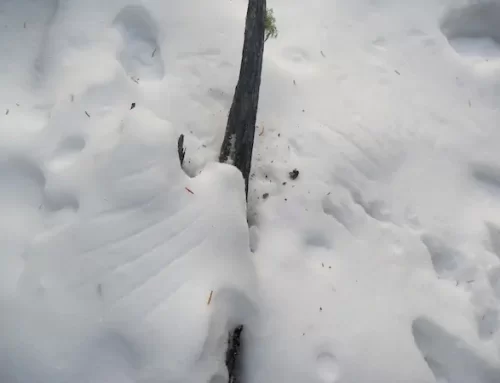
Humans aren’t the only ones thrown off by sudden warm spells. Chinooks can disrupt wildlife routines, especially in winter when energy conservation is critical. Animals may move more during Chinook periods, taking advantage of easier travel and exposed forage. At the same time, repeated warm-ups followed by hard freezes can create crusted snow that makes movement harder, especially for ungulates like deer and elk. Predators and prey alike must constantly adapt to these changing conditions, making winter life in the foothills a careful balancing act. For trail users, this means being extra alert. Fresh tracks, unexpected encounters, and wildlife using packed trails for travel are all more common during and after Chinooks.
And Then There’s Us
Chinooks affect people in their own peculiar ways. Some of us feel energized by the warmth and sunlight, eager to squeeze in an impromptu outing. Others brace for headaches, restless sleep, or a general sense that winter has lost its rhythm. They can also mess with our expectations. Is it okay to bike in January? Should I wax my skis or my bike chain? Do I need sunscreen or a toque (or both)? The answer, as always in Bragg Creek, is maybe to all of the above.
Living With Chinooks
Whether you love or loathe them, Chinooks are part of life on the eastern slopes. The key is learning to work with them rather than against them.
A few Chinook-season trail tips:
- Choose early mornings when the ground is still firm
- Be willing to turn around if trails soften
- Expect icy patches in shaded areas
- Share the trails as conditions funnel many users onto the same routes
- Remember that staying off vulnerable trails protects them for the rest of the season
Chinooks remind us that winter here is dynamic, unpredictable, and very much alive. They strip away the illusion of control and ask us to pay close attention to temperature, timing, and the quiet signals the land gives us. So, love them or hate them, Chinooks are woven into the West Bragg Creek experience. They challenge us, surprise us, and occasionally give us a January day that feels just a little bit like spring.
And in this place, that’s all part of the adventure!